
Emissions you cannot yet eliminate, you can offset.
We help companies achieve carbon neutrality through three offsetting paths, fully aligned with international standards.
Four paths to zero emissions.
Carbon Free offers comprehensive solutions for every type of company — from immediate solutions to long-term investment strategies. Choose the path that matches your needs.
The most effective form of offsetting is the direct reduction of emissions at the source — through in-house production of clean energy. Carbon Free works with seven verified technologies that we can design, supply and install.
Photovoltaics
Solar panels convert sunlight into electricity with no direct emissions. Once installed, they produce no greenhouse gases and have a service life of 25–30 years. Surplus energy is sold to the grid — a credit for the green electricity supplied.
Wind power
Wind turbines convert the kinetic energy of wind into electricity. Carbon neutral in operation, with high output and a long service life. Suitable for industrial facilities and agricultural sites.
Battery energy storage
Battery systems store surplus energy from solar panels or wind turbines for later use — at night, during cloud cover or at peak demand. They eliminate dependence on the grid at critical moments.
Hydrogen technologies
Hydrogen as an energy carrier: fuel cells for clean electricity generation, direct combustion with no CO₂ emissions, and the production of green hydrogen through electrolysis. A key technology for decarbonizing heavy industry.
Heat pumps
Heat pumps do not produce heat — they move it. They achieve an energy efficiency of 300–500%, meaning that 1 kWh of electricity generates 3–5 kWh of thermal energy. They reduce dependence on gas and fossil fuels.
Cogeneration unit
Cogeneration (CHP) produces electricity and heat simultaneously from a single fuel — with efficiency of up to 90%. Significantly higher efficiency than separate production means less fuel consumed and fewer emissions.
Biomass and biogas
Biomass uses organic material — wood waste, agrobiomass, biodegradable waste — to produce heat and electricity. Carbon neutral in operation. Biogas from anaerobic fermentation serves for heating, electricity generation and as vehicle fuel.
Carbon Free offers comprehensive energy offset solutions for companies and public institutions through certified partners with a calculable carbon footprint. Customers therefore do not increase their carbon footprint by the offset investment itself.
How does an energy offset work?
An energy offset works on a simple principle: you generate enough electricity from renewable sources for your own direct use. Surplus energy is stored in battery storage, or sold to the electricity grid, earning a credit for the green electricity supplied.
This credit represents the amount of clean energy you have supplied to the grid — and offsets your consumption from conventional sources at other times. The result: zero or minimal dependence on fossil fuels.
Production
Solar panels or wind turbines generate clean electricity
Storage or sale
Surplus energy goes to batteries or to the grid as a green credit
Offsetting
The credit is used to cover consumption from fossil sources
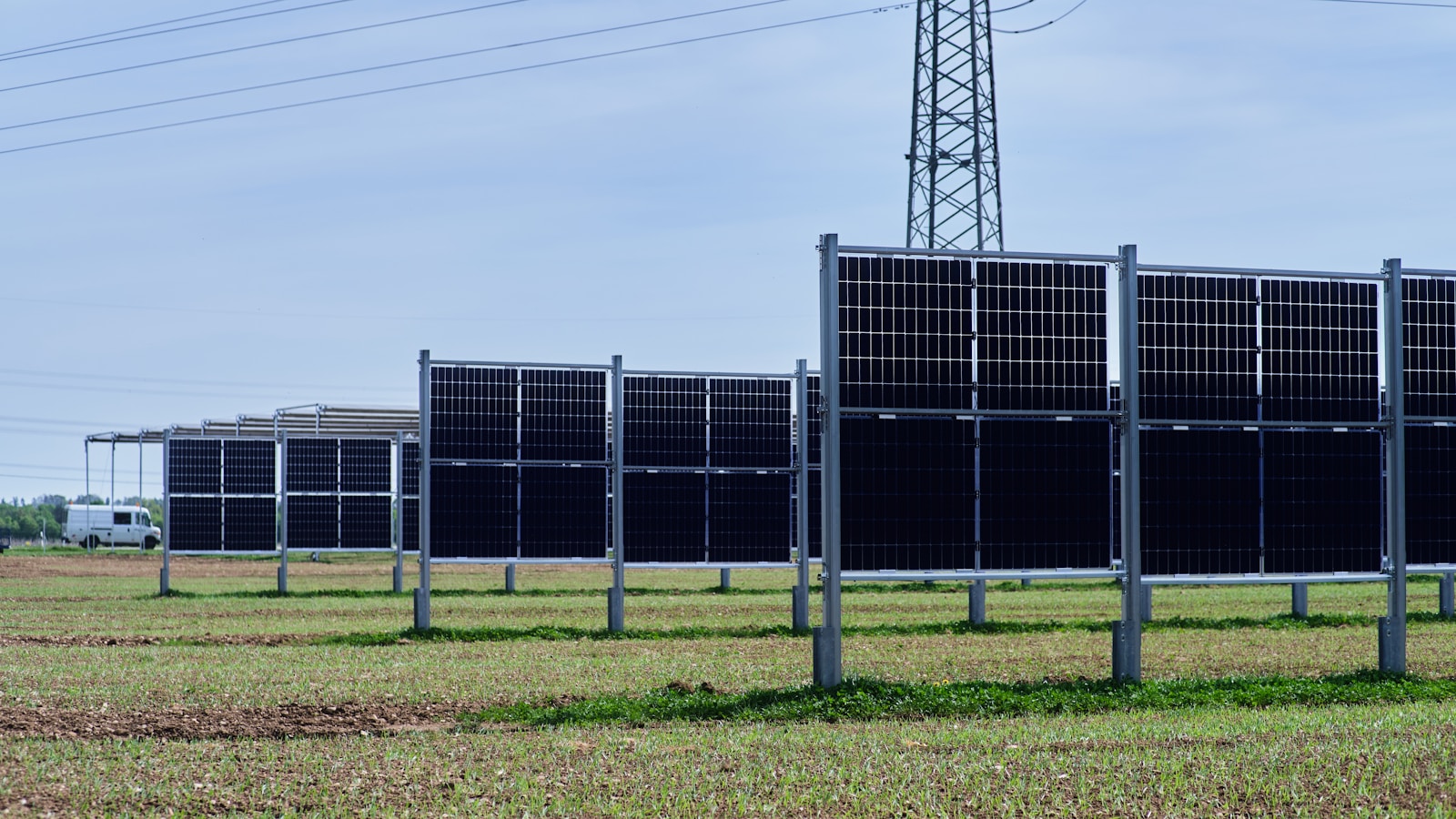
Energy credit
If your solar panels or wind turbines produce more energy than you consume, you sell the surplus to the grid and earn a credit for the green electricity supplied. This credit is a form of energy offset recognized in ESG rating.
Investing in tree planting and creating your own carbon credits (CO2) is one of the most valuable forms of offsetting — not only for the environment, but also for your ESG score and balance sheet. Carbon Free fully manages every step so that your investment costs are sustainable over the long term and recognized in your financial statements.
Environmental benefits
- —CO2 absorption and reduction of greenhouse gas emissions
- —support for biodiversity and ecosystem health
- —improved air and soil quality
Social benefits
- —creating jobs in the regions
- —raising awareness of sustainability
- —educating communities on climate
Governance benefits
- —demonstrating responsibility and transparency
- —creating your own CO2 credits recognized in accounting
- —the option to sell credits to other companies
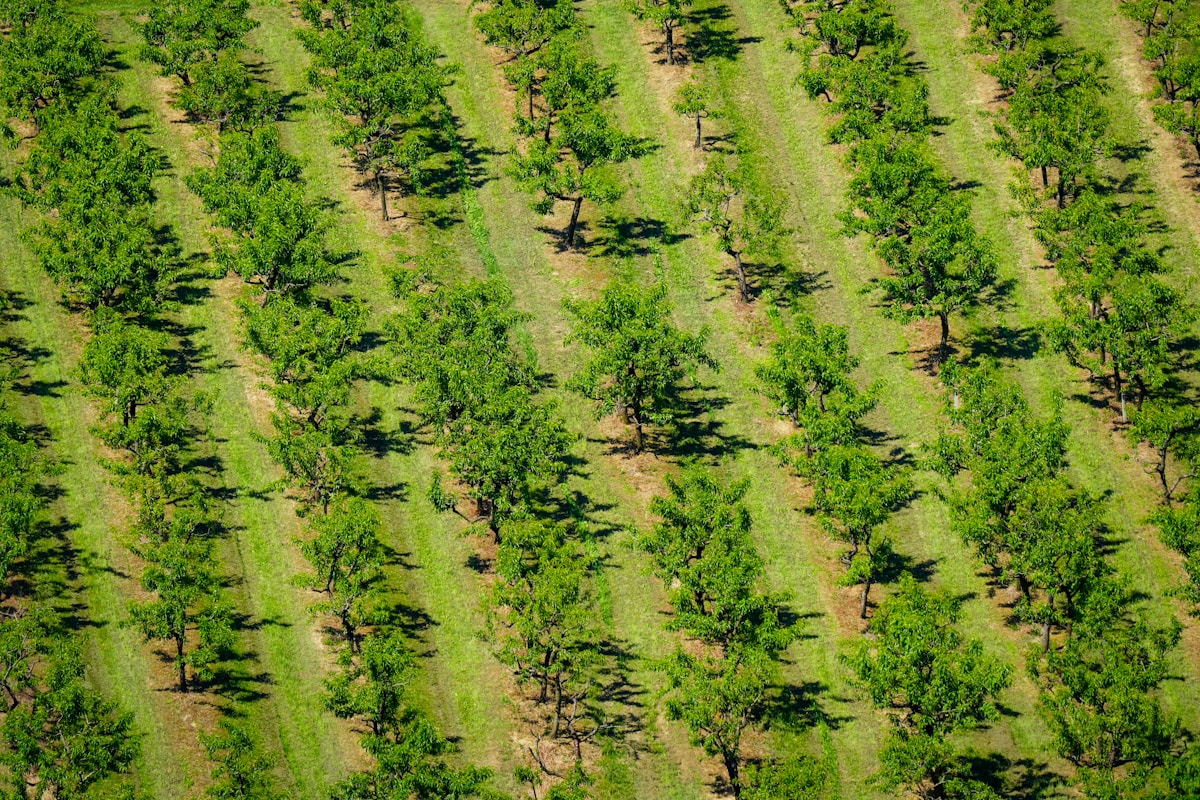

"We create green offsets and thereby actively contribute to reducing CO2"
Carbon Free s.r.o. — own farms
Own credits = fixed price
Investing in your own carbon credits secures a fixed, predictable price for CO2 offsetting. You will not be tied to market conditions and prices, which since 2025 have significantly affected the operations of companies dependent on purchased offsets.
You can also sell the credits
Your own CO2 credits are your asset — you can use them to offset your own emissions, or sell them to other companies. This is a recognized item in your company's financial statements that improves the company's economic evaluation.
A purchased offset is the fastest way to offset emissions — you buy certified CO2 credits from verified providers and immediately offset your carbon footprint. It is a legitimate and internationally recognized path, suitable above all as a temporary solution or bridging strategy while you build your own offset.
Reforestation offsets
Certified green credits from international providers verified to Gold Standard or VCS (Verified Carbon Standard) standards. They represent CO2 absorbed by tree planting in other projects.

Energy credits
Credits from the renewable energy projects of other companies — solar power plants, wind farms, hydroelectric plants. You pay for the amount of clean energy produced by others, thereby offsetting your consumption from fossil sources.
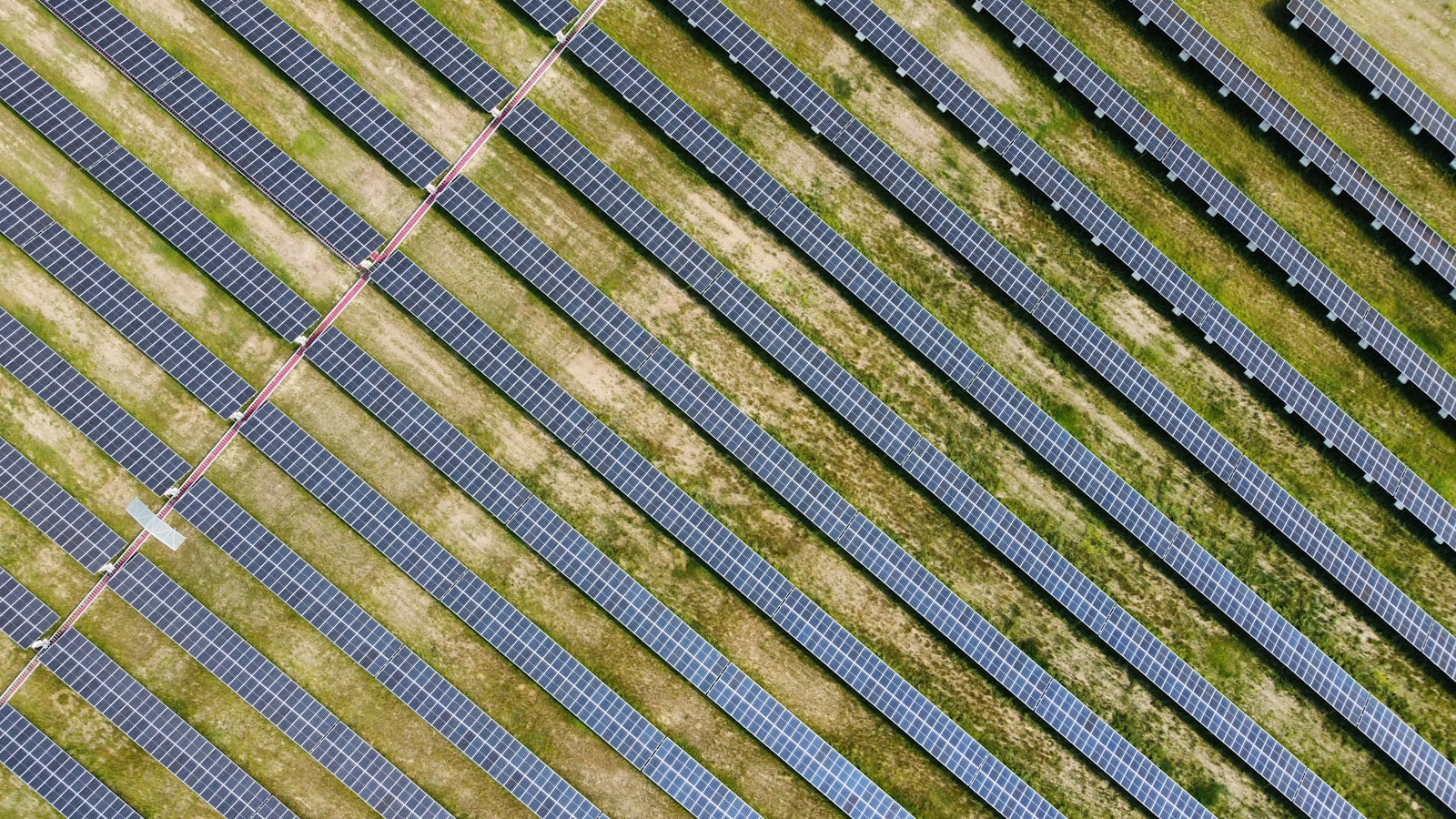
Purchased offsets carry price risks.
The price of green and energy offsets is influenced by the market. When demand exceeds supply — and since 2025 it has — prices rise sharply. Companies relying solely on purchased offsets will face unpredictable costs. Moreover, in ESG rating, your own green and energy offsets earn a higher bonus weighting than purchased ones.
In ESG rating, your own green or energy offsets carry a greater bonus weighting than purchased offsets alone.
Offset through our register of verified CO₂ projects.
A transparent register of offsetting projects and CO₂ credits — choose a project, offset and obtain documentation for your ESG disclosures.
Energy offset
Reducing your emissions footprint directly at the source of your energy consumption by deploying modern technologies and renewable sources.
Own green offset
Creating your own carbon credits through reforestation and land revitalization projects on your own property.
Purchased offset
Purchasing certified international credits from verified projects in cases where direct elimination is not possible.
Not all offsets are the same.
Before you decide on a specific solution, it is important to understand the fundamental difference between your own offset and a purchased one — a difference that directly affects your ESG score, your costs and the value of your company.
Purchased offset
Temporary solutionESG bonus weighting
Lower rating in the ESG report
Price over time
Rises with the market — sharply since 2025
Company assets
None — you pay for a third-party service
Dependency
Full dependence on external suppliers
Speed
Immediate — you buy it and it's done
Own offset
RecommendedESG bonus weighting
Higher ESG bonus weighting — active credit creation
AdvantagePrice over time
Fixed, predictable price — independent of the market
AdvantageCompany assets
Own CO2 credits recognized in accounting
AdvantageDependency
Full control over your own offset
AdvantageSpeed
Requires investment planning
Since 2025, prices of purchased offsets have been rising sharply.
Demand for green and energy offsets on the market significantly exceeds supply. Companies that do not start building their own offsets today will face significant price increases from 2025 — and from 2027 the quality of their ESG report will depend directly on which offset provider they chose. Your own offset is an investment, not a cost.
2025
The year purchased offsets rise sharply in price
2027
ESG report as a criterion for selecting an offset supplier
You can also sell your own CO2 credits.
Your own carbon credits are not just a tool for offsetting your own emissions. They are assets — recognized in your company's accounting — that you can sell to other companies seeking certified offsetting. Carbon Free comprehensively manages the entire process: from investment planning of the planting, through credit certification, to their eventual sale.
Credits are a recognized asset on the company's balance sheet
Fixed price — independent of market fluctuations
Selling credits to other companies as an additional source of revenue
0%
CO2 target for your company
25+
Years of tree farm service life
3×
Higher ESG bonus weighting of own vs. purchased credits
100%
Control over the price and volume of credits
Verified partners. Certified technologies.
Carbon Free does not work with anonymous suppliers. Every technology in our portfolio comes from a certified partner with verified references and international certification.
TW Solar
Solar panels certified by TIER1 Bloomberg, TUV NORD, CE, ISO and CO2. The highest class of reliability.
Kaco New Energy
German manufacturer of Blue Planet inverters for photovoltaic systems. A long-standing tradition and European quality.
EV-GP a.s.
Slovak manufacturer of wind turbines and battery storage, EV-GP AI and BESS. ISO 9001, ISO 14001 certificates.
Viessmann
German leader in Vitocall heat pumps — heating and cooling with minimal emissions.
Nadácia Zelené Slovensko
A partner for tree-planting programs and ecological projects for companies and public institutions in Slovakia.
MyTrees Foundation
Engaging local companies in urban greening and community tree-planting programs.
CO2 offsetting in the context of global goals.
Carbon footprint offsetting is not just a matter of regulatory compliance — it is directly linked to the 17 UN Sustainable Development Goals (SDGs). Companies that actively offset emissions contribute to SDG 7 (clean energy), SDG 13 (climate action) and SDG 15 (life on land). This connection is increasingly important in modern ESG rating.
Affordable and clean energy — support for OZE and energy efficiency
Climate action — direct reduction of greenhouse gas emissions
Life on land — tree planting and biodiversity protection
Offsetting emissions directly fulfills three key UN goals
SDG 7 — Clean energy
Support for OZE and energy efficiency in enterprises
SDG 13 — Climate action
Direct reduction of greenhouse gas emissions
SDG 15 — Life on land
Tree planting and protecting the land's biodiversity
We will design the right
path to offsetting.
Your own offset, a green offset or a combination — we advise on what is best for your company in terms of ESG score, costs and long-term sustainability. The first consultation is free.